It doesn’t matter, as long as the baby’s healthy
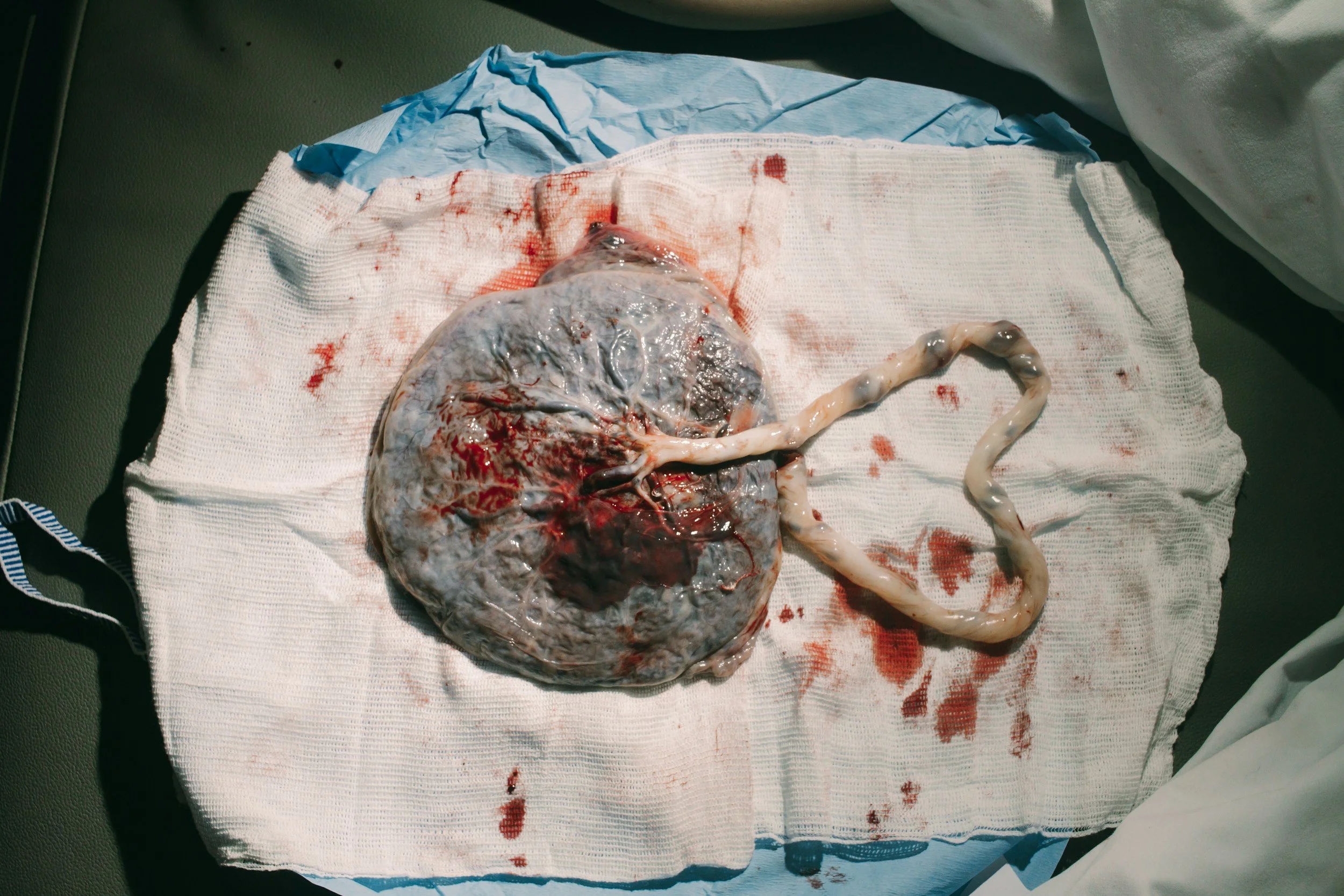
Ever find yourself recounting your birth story to someone, and then ending it with a laugh and “it doesn’t matter, as long as my baby’s healthy”? Or maybe you’ve been on the receiving end of this story, and you’ve just heard a traumatic story filled with medical gaslighting and interventions bordering on violent, such as forced birth positions or performing procedures without anesthesia or pain meds.
Birth trauma has been making the news lately, from stories of birthing people presented with tablets and a court hearing while in active labor, and no chance to defend themselves, to pregnant people unable to make medical decisions for themselves being forced to give birth. These are all on the extreme end, but a lot of birthing people have to deal with the very real trauma from medical professionals while in active labor. Often, they’ve experienced an extremely painful and frightening birth and told they should just forget it and be happy they got a healthy baby out of it.
But here’s what gets left out: a healthy baby requires a healthy caregiver, and “healthy” does not begin and end with physical health. Newborn infants rely on their caregivers for everything from basic needs like food and warmth to borrowing their caregivers’ brains for co-regulation and nurture, and it’s co-regulation and nurture that build an emotionally stable adult from infancy. There’s also evidence that successful breast feeding or feeding is partially dependent on the mental status of the lactating caregiver. If the birthing person is reeling from birth trauma and feeling like they need to pretend that everything’s fine, it’s going to affect their infant as well.
And before you start feeling guilty for the effects your unasked for birth trauma has on your infant, remember that this is not your fault. You were let down by the system. It does matter, even if your baby is healthy. You matter.
How do you come back from this? You definitely need to process the birth. You can begin journaling about it, you can talk about it with a trusted friend or a postpartum doula. You can reach out to a perinatal mental health professional, especially if you find one who specializes in birth trauma. Peer groups, whether they are local or virtual, can also help you process the birth with other birthing people with similar experiences, and knowing you’re not alone can help tremendously. You don’t have to pick just one, either.
You don’t have to choose feeling grateful for your healthy baby and being hurt by how they came into the world. Both are true.
If you've been sitting with a birth experience that didn't go how you hoped, you don't have to keep minimizing it. I'm not a therapist, and this isn't therapy — but part of what I do is show up for parents in exactly this window. If you want to talk, I'm here.
